
SUBABHUL
listen about me
Leucaena leucocephala (Lam.) De Wit.
Classification:
Kingdom: Plantae
Division: Magnoliophyta
Class: Magnolipsida
Order: Fabales
Family: Fabaceae
Genus: Leucaena
Species: leucocephala
Scientific Name: Leucaena leucocephala (Lam.) De Wit.
Common Name-
English: Wild tamarind, Horse tamarind, White Babool, Leucaena, Lead tree
Hindi: सफ़ैद बबूल Safed babool
Bengali: সুবাবূল Subabul
Mizo: Japan-zawngtah
Manipuri: Chigong lei angouba
Description:
Habit & Habitat: It is a small, variably shrubby and highly branched (ssp. leucocephala) to medium-sized tree with a short, clear bole to 5 m, upright angular branching and a narrow
open crown (ssp. glabrata), 3-15 (max. 20) m tall, bole diameter 10-50 cm.
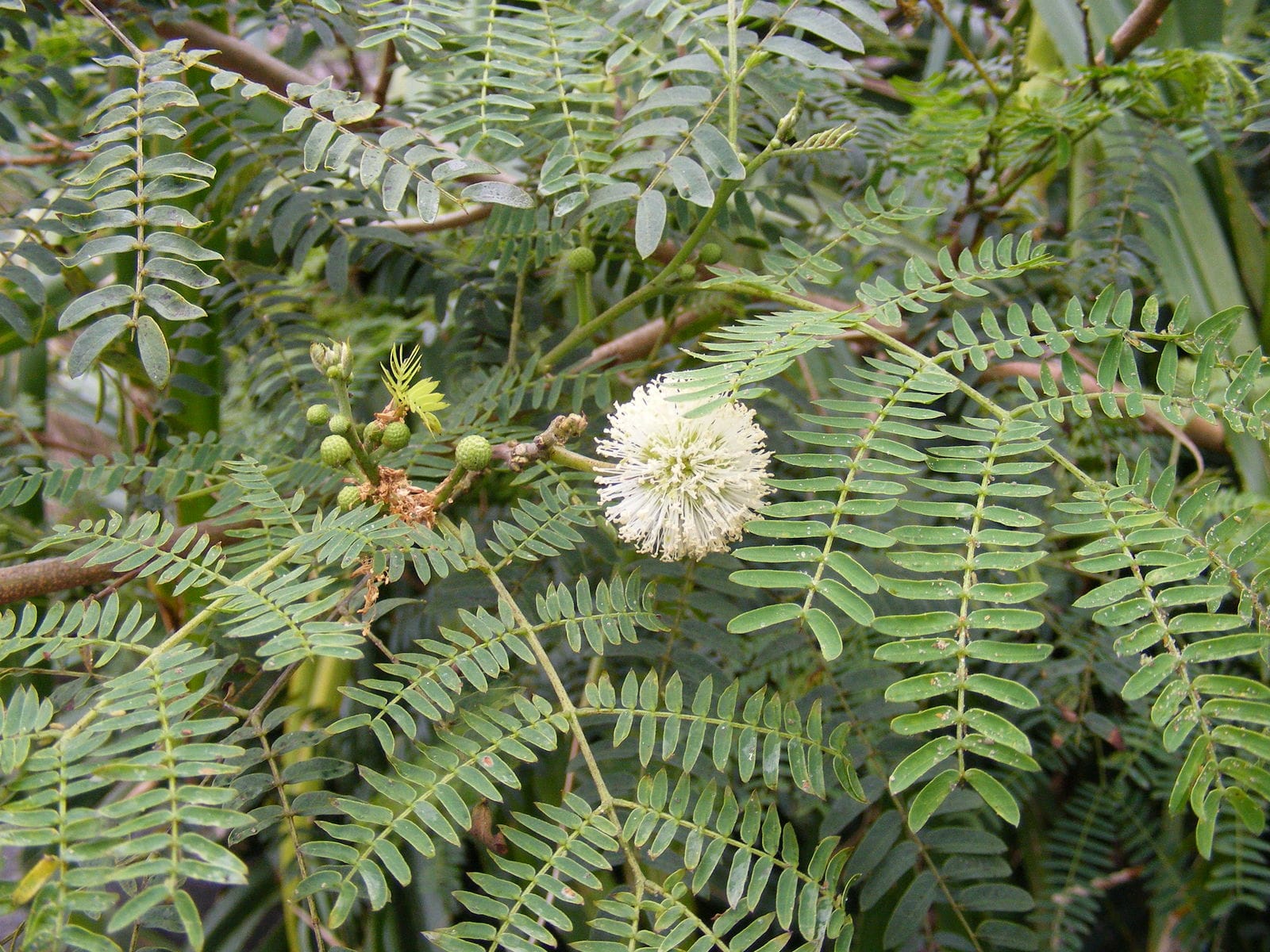
Leaves: Bipinnately-compound leaves with small grey-green leaflets, pungent when crushed.
Flowers: flowers tinged with yellow resembling mimosa and long flattened pods.
Fruits: The fruit are elongated (linear), flattened, pods with a pointed tip (beaked apex). These pods (8-22.5 cm long and 10-20 mm wide) are initially green in colour, but turn
brown or reddish-brown as they mature. Several pods will usually develop from each flower cluster.
Uses: Leucaena is valuable for its wood, which is used to make good quality charcoal, small furniture and paper pulp. Its young shoots, young leaves and seeds may be used as a
vegetable in human nutrition. Seeds can also be used as a substitute of coffee or as pieces of jewellery.