MEHANDI/HINA
listen about me
Lawsonia inermis L.
Classification:
Kingdom: Plantae
Division: Magnoliophyta
Class: Dicotyledonae
Order: Myrtales
Family: Lythraceae
Genus: Lawsonia
Species: inermis
Scientific Name: Lawsonia inermis L.
Common Name-
English: Henna
Marathi: Mehandi
Hindi: Mehendi मेहेंदी
Kannada: ಗೋರಂಟಿ Goranti, ಮದರಂಗಿ Madarangi, ಮದರಂಗ Madaranga, ಮಧುರಂಗಿ Madhurangi,
ಕೊರಟೆ Korate
Tamil: மருதாணி Marudaani
Distribution: The henna plant is native to northern Africa, Asia and northern Australia, in
semi-arid zones and tropical areas
Description:
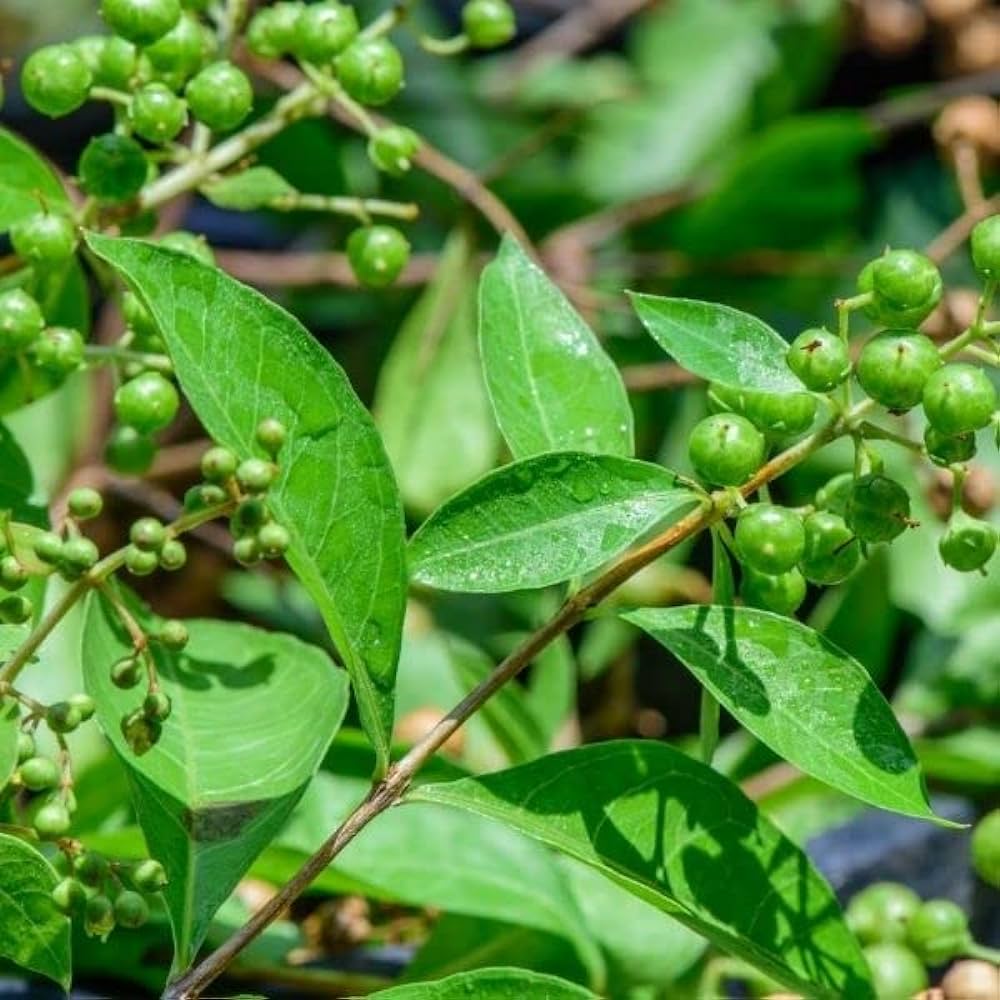
Habit & Habitat: Henna is a tall shrub or small tree, standing 6-25 ft tall. It is hairless and multi-branched, with spine-tipped branchlets.
Leaves: The leaves grow opposite each other on the stem. They are hairless, nearly- stalkless, elliptical, and lance shaped, 1.5-5.0 x 0.5-2 cm on the average, tapering, and have
depressed veins on the underside.
Flowers: Henna flowers have four sepals and a 2 mm sepal-cup tube, with 3 mm spread sepals. Its petals are ovate, with white or red stamens.
Fruits: Henna fruits are small, brownish capsules, 4-8 mm in diameter. Henna is native to
East Africa, Arabian Peninsula, Pakistan to India.
Note: Henna, or Menhdi as it is called in Hindi, is a symbol of festivity in India. It is especially associated with marriage in north India. Its leaves produce the henna or alhenna
of the Arabs (cyprus of the ancients), a yellow die which is used in Egypt and elsewhere by women to color their nails, and by men to die their beards, and for other similar uses
including horses manes and tails.